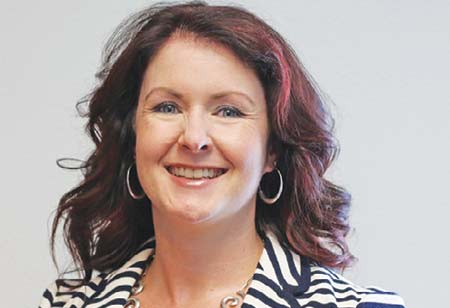
Elizabeth Chamberlain has spent more than two decades shaping communities through thoughtful planning, collaborative leadership and a deep commitment to public service. Known for her steady pragmatism and people centered approach, she now serves as City Manager of Walla Walla, overseeing essential services while guiding the city through growth, preservation and innovation. Her leadership blends long term vision with everyday responsiveness, showing that strong cities are built through relationships, responsibility and curiosity. Here is our conversation with her.
A Purpose Driven Career Path
My professional path began in land use planning and development. After graduating from the University of Washington in 2001, I started my career with an internship in the City of Edmonds. From there, I spent several years working for cities in the Puget Sound region and gained experience across planning, community development and service delivery. My last role on the west side was with the City of Auburn, where I worked for nine years.
In 2014 I moved to the City of Walla Walla to serve as Development Services Director. A few years later, an interest in city management led to a close collaboration with my city manager at the time, Nabiel Shawa, to build a clear succession plan ahead of his retirement. In 2020 I became Deputy City Manager, and in December 2022 the City Council appointed me City Manager. Eleven years later and Walla Walla still continues to feel like the right place to serve.
A Leadership Style Rooted in Service and Trust
My leadership begins with a simple mindset that has shaped my entire career which is service above self. That comes from both my values and my years in Rotary. Service, integrity, collaboration, relationships and family guide how I show up every day. They remind me that my role is not to stand in anyone’s way but to support our team, encourage cross departmental collaboration and build a culture where people feel trusted and respected.
As city manager I have ten department directors who oversee everything from law enforcement and infrastructure to the library. What unites all of that work is a single mission which is enhancing the quality of life in Walla Walla. That commitment guides how we show up for our community each day.
Stay curious, keep learning and continue asking meaningful questions because that is how we build better cities and stronger communities.
This shared purpose shows up clearly in our Gallup Q12 engagement survey. Since 2019 our engagement score has risen every year except during the pandemic, and our disengagement has dropped to five percent. An engaged workforce is a healthy workforce, and when employees thrive, the community feels it in the services they receive.
Balancing long-term planning with immediate needs is a constant part of my role. My background in land use taught me to always keep the twenty-year horizon in mind, even when the community is asking for a quick fix. Good leadership means taking care of what the community needs today while keeping an eye on the city’s requirements years from now. We cannot always hit the easy button in the moment. The long term consequences matter and it is my responsibility to keep both the present and the future in view when making decisions.
Protecting the Past While Planning for Tomorrow
Walla Walla is known for history, culture and steady growth. Preserving what makes the city special while supporting its future requires both courage and care.
A clear example is the 2018 comprehensive plan update. At that time, we saw growing signs of a housing shortage and rising affordability concerns. With strong support from the City Council, we adopted a plan that encouraged more diverse housing options. As part of that effort, we removed single family zoning and became the first city in Washington to do so. It did not solve every challenge, but it made our regulations more flexible and allowed for much needed housing diversity.
Historic preservation remains just as important. Our downtown is a treasure, and we want to keep it that way. Property owners who rehabilitate historic buildings on the city’s local register of historic buildings, have the option to receive a tenyear property tax benefit through a special valuation process. We also established a national historic district several years ago to open access to federal preservation tax credits. These steps help maintain the character of our downtown while encouraging thoughtful investment.
At the same time, we adapt when the community needs it. During the pandemic we allowed restaurants and tasting rooms to use street space for streatery seating. The model was so successful that we created permanent regulations to keep it as part of downtown life. Even in a historic district, there is room for new ideas that strengthen the community.
Innovation That Strengthens Connection
Technology changes quickly, and cities must keep pace while staying grounded in service. Walla Walla continues to explore tools that make our city more resilient and responsive.
We have an AI policy at the city, primarily to guide employees who use AI in their work and it continues to evolve because AI changes faster than any of us can keep up with. Beyond that, we have made other meaningful shifts in how we use technology. One example is our transition from a printed newsletter to fully digital communication. By adding text message module updates and expanding our email notifications, we can reach residents more quickly and in the formats that work best for them.
Another area we are exploring is whether AI can help manage non emergency calls at our dispatch center, which would free up 911 dispatchers to focus on emergencies. We are evaluating it carefully, as we want to use innovation responsibly.
Innovation also happens in the ways we engage our community, and one initiative I am especially proud of is our Civics Academy. We invited twenty-five residents to participate in a nine week program that gave them an inside look at how their local government works. They met department leaders, learned how decisions are made and gained a deeper understanding of what the city does every day. It has strengthened transparency, created informed advocates and sparked interest in serving on boards, commissions and possibly even running for office. It is a powerful way to build civic resilience using the resources we already have.
Guidance for the Next Generation of Public Leaders
For the next generation of people who want to shape their communities, I’ll advise them to stay curious, keep asking meaningful questions, and remain open to approaches that push beyond what has always been done. If a project matters to you, keep trying even if you do not succeed the first time. Persistence is essential when something has the potential to benefit your organization.
Throughout my career I have taken on new opportunities, even when they were outside my comfort zone. Those experiences taught me far more than what was in my job description and prepared me for the responsibilities I have today.
I also read widely. Leadership insights, new innovations and stories from other cities help me think differently about what we can do here. There is always something to learn from places that have tried something before us, including mistakes we might avoid. Innovation grows from curiosity and from asking why something is done a certain way and whether it still makes sense.
Strong communities are built by people who are willing to learn, try new things and keep listening. That is the work I am committed to and the work I believe will carry Walla Walla forward.